
CHOOSE YOUR BIOMIMICRY PATH
Whether you are a student, parent, educator, entrepreneur, or a concerned citizen, you have found your place in advancing regenerative solutions. You can begin your journey by following one of the pathways below to connect with nature and bring biomimicry into your life.

Explore nature’s strategies and learn how to apply them to problems.

Spread nature’s wisdom through professional learning opportunities.
Change culture and business by bringing solutions to market.
2024 Ray of Hope Accelerator Application Open
We’re not your typical accelerator. We prioritize your growth as an individual, startup founder, and visionary leader, we emphasize relationship-building and foster a vibrant community of innovative startups inspired by nature to drive positive impact. With a proven track record of over 40 thriving companies in our portfolio, we’re ready to support your entrepreneurial journey.
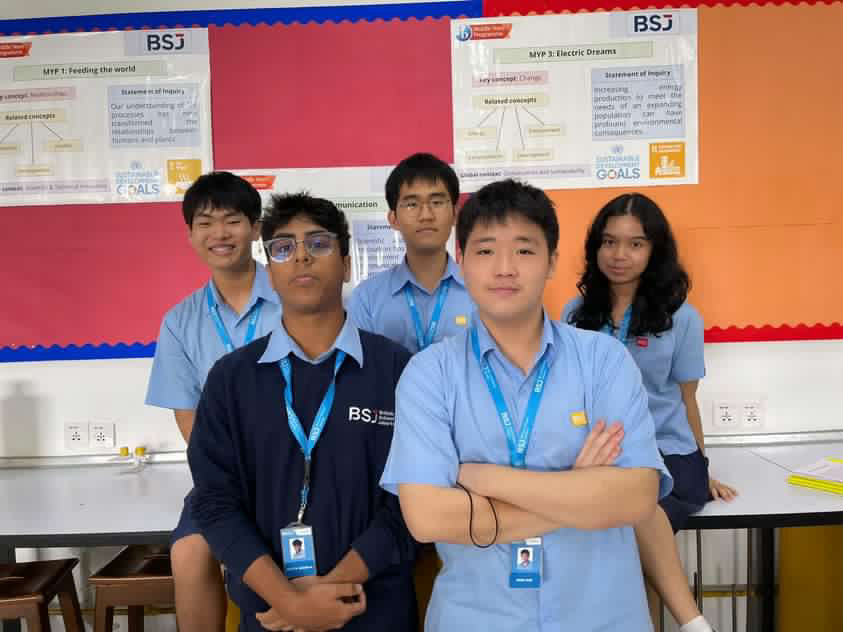
The 2023-2024 Biomimicry Youth Design Challenge is Live!
How can middle school and high school students learn to see nature as an ally in solving the problems most important to them? How can formal and informal educators introduce biomimicry curriculum as an engineering strategy? To inspire kids with engaging STEM experiences aligned to the Next Generation Science Standards (NGSS)?
FEATURED BIOMIMICRY RESOURCE
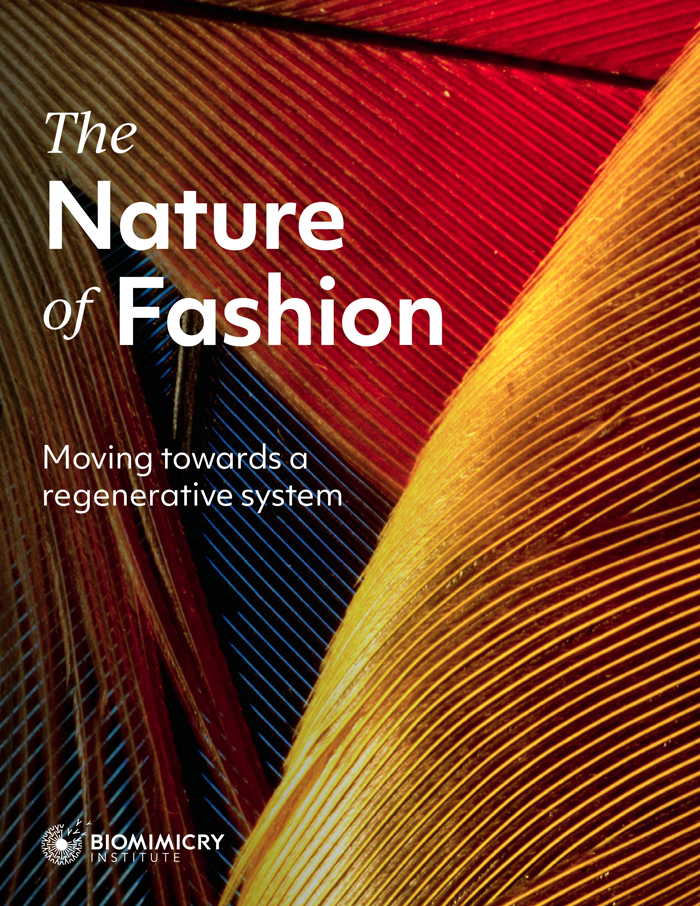
The Nature of Fashion
What would the fashion industry look like if it functioned as an ecosystem? By realigning ourselves with what occurs in nature, we can design a next-generation textile production model that recognizes its connections to the biosphere. This report explores the material flows that underpin natural systems and shows that the first thing we must learn from nature is how to design for decomposition. It also shows how the fashion industry, relying on advances in regenerative agriculture, cellulosic fibers, fermentation, and gasification, can work with existing technology and nature to jump-start the transition to bio-compatible fibers right now. Read the report and take the next steps to transform the system.
DONATE TO THE BIOMIMICRY INSTITUTE
Support the Next Generation
of Nature-Inspired Innovators
Imagine a world where everything we make is inspired by the natural world. By supporting the Biomimicry Institute, you:
- Help bring biomimicry education to more students
- Accelerate the growth of nature-inspired startups
- Increase the number of biological strategies and resources on AskNature.org and across our entire organization
We will use the information to be in touch with you via email. You can change your mind at any time by clicking the unsubscribe link in the footer of any message you receive from us. Learn more about our privacy practices here.
Support the Next Generation
of Nature-Inspired Innovators
Imagine a world where everything we make is inspired by the natural world. By supporting the Biomimicry Institute you:
- Help bring biomimicry education to more students and educators
- Accelerate the growth of more nature-inspired startups and entrepreneurs
- Increase the number of biological strategies and resources on AskNature.org and across our entire organization.